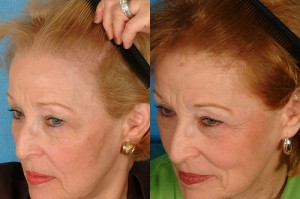
Post image for Questions you should ask a hair replacement surgeon before undergoing surgery

Finding the right hair replacement surgeon to facilitate your specific needs can be a bit of a challenge considering all of the options that are available.  Whether you are suffering from a genetic condition such as male pattern baldness (alopecia), traction alopecia (pulling the hair back too tightly) or any other form of hair loss, you should be aware of the different replacement procedures that are currently available.  There are 4 things you want to be sure about before selecting a hair replacement surgeon to perform the procedure.

1) Their training and credentials – anytime you are considering a hair replacement procedure, you want to ask the physician or surgeon what type of formal training they have had as well as seeing their credentials.  Remember that you are going to want to interview 5 or 6 before making your final decision and this is the first step to take once you have made your list of possible candidates for performing the procedure.

2) The surgeon’s amount of experience – has he/she just opened their practice or have they been performing hair replacement procedures for a while already? You’ll want to find out the years of experience they have under their belts as well as how many procedures they have performed.  Additionally, you might want to dig a little deeper and find out what their former patients have to say about the results they experienced.

3) The environment that the physician practices in – is the physician the only hair replacement practitioner at the particular clinic you are investigating or is there a licensed and certified team of physicians? Also, you want to ensure that you will be with that same physician from start to finish and not get bounced around from one to another like you would encounter at a traditional HMO.

4) Your comfort level with the physician – one of the things that we always advise people to take into consideration is their gut feeling about the physician and the facility that they operate in.  Make sure that you ask the physician all the questions that you can come up with regarding the entire procedure.  Did they willingly advise you against hair replacement surgery if it wasn’t necessary or did they hard-sell you on it? The bottom line is that if you don’t feel comfortable with this person and their facilities, then you should just keep shopping around.

Photo via Marco Bellucci
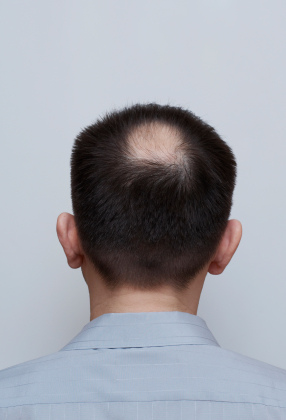
Post image for Cautions about taking Propecia for hair replacement purposes

Propecia is the marketed brand name for the chemical Finasteride.  It is a prescription–only hair replacement medication that many medical professionals are prescribing for individuals who are suffering with hair loss and thinning.  There are numerous replacement products on the market today, but not all of them work the way they advertise.  However, Propecia has demonstrated positive hair replacement results in past clinical studies and is an effective medication for men.  It is not recommended for women because of its chemical make-up.

There are some side effects that you need to be aware of whenever you are prescribed Propecia for hair replacement purposes.  Interestingly enough, prior to being FDA approved, Propecia was used to treat prostate problems – both benign and malignant.  It was only in 1997 that the FDA approved it as an effective replacement therapy for hair loss and thinning.

As with any other type of prescription medication, you need to be aware that there are certain adverse reactions or side effects that you can experience when taking Propecia, including the ones we have listed below:

  • abnormal ejaculation
  • abnormal sexual function
  • decreased volume of ejaculatory fluids
  • ejaculation disorders
  • erectile dysfunction
  • testicular pain

Additionally, it was discovered that issues like the above were resolved when a man discontinued using Propecia for hair replacement purposes.  There are more severe side effects to be aware of which should be brought to the attention of your physician immediately.  These include:

  • breast enlargement as well as lumps, nipple discharge, pain, or tenderness
  • difficulty breathing or tightness in the chest
  • severe allergenic reactions – difficulty breathing, hives, itching, rashes, etc.
  • swelling of the face, lips, mouth, or tongue
  • testicular pain

Should any of these more severe side effects be experienced, you should contact your physician immediately and discontinue taking the medication.  Just remember that all prescription medications can have side effects, some of which are very serious.  Your attending physician should make you aware of the possibilities as well as determine if you are currently taking any medications that would result in severe side effects such as the ones listed above.

For more information about the above information or to determine whether or not you should consider taking Propecia as an effective hair replacement treatment, you should always consult with your physician or a specialist that deals with this on a regular basis.

Photo via Webbloke

Post image for The need for hair replacement in African American culture

Hair loss or thinning is devastating – pure and simple.  There is just no other adjective you can singularly use to emphasize the effects that it has on those individuals that are suffering with it and feel that replacement procedures are the only cure.  For many of these individuals, they are continually searching for effective hair replacement methods that will solve their dilemma.  However, this has presented a real challenge for the person who asks “what hair replacement procedure will benefit me the most?”

Even more discouraging is the fact that it affects people from all walks of life regardless of ethnicity.  It’s not exclusive to the citizens of the US as it affects men and women on a global scale.  Many hair replacement techniques today, have been steadily growing in popularity, especially with African Americans because of the challenges that they face where the loss or thinning of hair and the replacement of it are concerned.  Although African American men suffer from male pattern baldness as do Caucasian males, both men and women that are African American suffer with this issue for different reasons.

Unfortunately, these reasons have oftentimes been labeled as culturally specific and the hair replacement solutions for African American men and women can be quite complex.  Patchy balding areas and receding hairlines are part of these cultural anomalies as they are with Caucasians and other ethnic groups.  All but one of the following hairstyling techniques are unique to African American culture and directly related to hair loss and thinning that leads to the consideration of replacement methods or therapies:

Bleach-again – this is one of the harshest of hairstyling chemicals and was never intended to come into direct contact with the scalp’s delicate skin.

Chemical relaxers – these contain lye and can burn the skin like acid.

Hot combs or irons – burns and scarring of the scalp oftentimes occur because these hair grooming devices get to close to the skin.

Traction Alopecia – this condition is caused by braiding the hair or styling it with the long-term use of corn rows or extremely tight pigtails.  The root of the scalp is constantly and excessively being pulled, which not only pulls the hair strand out by the root, but also scars the scalp and eliminates any future growth potential.

As a result of the above, hair replacement procedures have become a part of African American culture as much as it has with Caucasians and has been considered a viable option where the replacement of lost or thinning hair is concerned.

Photo via Miracle Moms

Post image for Non surgical hair replacement in women and precautions about Rogaine

To a woman, appearance is everything, whether it is the clothing and jewelry that they wear or the way that they have their hair styled.  The loss or thinning of this precious commodity can be devastating psychologically to say the least and drives many women to finding hair replacement methods or products to correct it.  For many women like men, there are options available where replacement of lost or thinning hair is an issue, but there are certain hair replacement products that have side effects that need to be taken into consideration before using them.

Photo via Dr_Alan_Bauman

One of these hair replacement products is a topical preparation known as Rogaine (Minoxidil) which has been proven to be just as effective for women as it has been with men.  Surprisingly enough, Rogaine was initially used for the treatment of high blood pressure.  While the effectiveness of this “drug” was being researched and studied, it was discovered that new hair growth resulted among those individuals treating their high blood pressure issues with it.

In the 1980’s Rogaine (Minoxidil) was marketed as a treatment for hereditary baldness in males.  By the 1990’s, it was recommended for females as well.  What you need to know is that Rogaine was not intended for hair replacement with individuals that were experiencing hair loss or thinning that resulted from diseases or medical conditions.  It was designed for the replacement of hair that was lost or thinning because of Alopecia or male pattern baldness, chemotherapy and/or radiation for treating cancer, or damage caused by certain hair styling techniques.

The chemical formula of Rogaine is different for men compared to women due to the fact that oftentimes the causes of baldness and hair loss or thinning are different between the two genders.  If you use Rogaine properly, you will experience very few side effects.  These include dry and/or itchy scalp which can be relieved by rinsing the hair with cool water and using a gentle shampoo and conditioner when washing it.

Additionally, it is recommended that pregnant women or those who are breastfeeding should not use Rogaine for hair replacement purposes.  Since the topical solution is applied directly to the scalp, it has a direct avenue for entering the blood stream and creating problems with these types of women.  It can also cause problems with the circulatory system and the heart as a result of this absorption.

Post image for Correcting Alopecia in women with hair replacement methods

For many men and women, hair replacement surgery and other techniques have proven to be very beneficial as a way to stop the hair loss or thinning process.  Men have the tendency to deal with this issue a bit better than women because for a woman, this is one of the critical aspects of the appearance issue.  Androgenic Alopecia (male pattern baldness) affects women like it does with men and replacement technologies can benefit them just as well.  So what hair replacement options do women have?

Basically, a woman’s options are similar to a man’s in that they can undergo surgical hair replacement as well as using a topical preparation such as Rogaine or even a hair system (hairpieces or wigs).  Non-surgical applications have proven to be about as effective provided the loss or thinning has not become excessive.  When this is the case, surgical procedures for replacement are a viable option.

What causes female hair loss?

Aside from less critical issues involving DHT build-up, the most common reasons that women experience hair loss and eventually consider one of the different replacement therapies include the following conditions.

Alopecia Arcana – excessive hair loss caused by numerous medical factors such as:

  • diabetes
  • fungal infection
  • hormone changes
  • medication
  • stress

Chemotherapy and radiation – considered as the primary cause of hair loss in women due to the different cancers that women succumb to.

Pulling out the hair strands – pulling the strands of hair as a nervous habit

Traction Alopecia – this is typically caused by certain hairstyles such as braids, corn rows, pigtails, or ponytails.  Scarring can result from stress or tension on the hair and along with using harsh chemicals can cause loss and thinning.

Hair replacement methods that work for female hair loss

There are basically three methods for hair replacement – hair systems, non-surgical hair replacement, and surgical hair replacement.  They are broken down as follows:

Hair systems – hairpieces and wigs

Non-surgical replacement – Propecia and Rogaine

Surgical replacements – Hair transplantation, scalp reduction and more

The first is the least preferable whereas the second is the preferred method to try first if a physician or specialist feels that you should to try this before opting for surgery.  Always, make sure that you discuss your concerns with a licensed physician to determine which one of these hair replacement methods would be the most appropriate for you.  There is no point in spending excessively if you don’t need to.

Photo via Ed Yourdon

Post image for Getting what you pay for with hair replacement

Whether we like it or not our hair or the lack of it is critical our appearance and can affect our self esteem negatively or positively.  Surgical hair replacement procedures and non-surgical methods have become very popular treatments for the replacement of lost and thinning hair.  There are genetic as well as medically related causes of these conditions and when they are severe enough, hair replacement surgery may be the only option to treat the condition.

Hair replacement procedures today are very different from those techniques used years ago.  About the only option for replacing lost hair were toupees and wigs.  For many of us, there are still bad memories of that period of time in our lives when we wore these replacement “systems.”  Fortunately, there are other options available now although they are more costly.  Advancements in science and technology have literally re-created the hair replacement industry.

When a person realizes that they have a problem with hair loss or noticeable thinning, the first question that they ask is “what are my options?” There are non-surgical options as well as surgical ones, but you need to be aware of some other aspects about having this type of procedure performed.  For instance if the donor hair is not dense or healthy enough, you may be turned down as a candidate for a replacement procedure.  So don’t believe all those commercials and infomercials that you see on television.

Occasionally there are also some side effects but they are typically rare and one of them is not directly related to the hair replacement surgery.  For instance, you could have an allergic reaction to the general and/or local anesthetic that are administered prior to the surgery.  Or, the scalp area where the procedure was performed may develop an infection once the surgery has been completed.

Typically, there are three categories of hair replacement techniques.  These include:

  • Non-surgical treatments – Propecia or Rogaine (OTC or prescription strength)
  • Surgical treatments – hair grafting and transplantation or scalp stretching
  • Hair systems – hairpieces, toupees, and wigs

If you are concerned about going bald and have noticed that your hair is abnormally falling out or thinning, you should consult with your family physician before automatically pursuing a surgical hair replacement procedure.  Your physician may recommend replacement options that are non-surgical and can save you a lot of money such as Propecia (Finasteride) or Rogaine (Minoxidil).

Photo via Ben Heine

Post image for Reasons why some children need hair replacement surgery

As we mentioned in a prior hair replacement article, excessive hair loss and thinning in children (Alopecia) sometimes results in their parents consulting with a physician to see if they feel that replacement surgery is the right course of action.  Children suffer both emotional and social consequences when they are suffering with Alopecia and a hair replacement procedure may be the only option to correct the condition.

There are a numerous options to pursue where this is concerned which makes the decision quite challenging at times.  In order to understand Alopecia in children, you have to understand why their hair loss and thinning is happening and why replacement procedures may or may not be necessary.  Here are the primary 6 reasons that Alopecia occurs in children:

  • Alopecia Areata a mysterious condition that can range from smaller patches to complete hair loss
  • Chemotherapy or radiation treatments (characteristic of temporary hair loss)
  • Emotional stress, the flu, and high fevers (characteristic of temporary hair loss)
  • Tinea capitis which is a very contagious and serious scalp fungal infection and is oftentimes referred to as scalp ringworm
  • Traction Alopecia results from the continual pulling back of the hair in tight fashion which damages the root and causes the fall-out (i.e. braids, pigtails, etc.)
  • Trichotillomania is a patchy form of hair loss that results from the person pulling their own hair out

No matter what the cause of Alopecia is, it may take years to recover from this and the emotional scars could last even longer.  Fortunately, children oftentimes outgrow the condition within a year in 60% of the cases that were documented.  But that leaves the other 40% whose parents have to consider the option of hair replacement.  Normally, there are a number of growth cycles that hair goes through wherein new growth replaces that which fell out unless any of the above conditions are occurring.

Additionally, whenever your child’s normal hair growth cycle is interfered with, what was once a gradual loss or thinning of the hair will accelerate considerably, making the condition even more serious.  As a parent, you should take immediate action the minute you notice this occurring due to the permanent emotional scarring that can result from the condition.  The physician will eliminate any medical issues that could have caused Alopecia to start before making a recommendation on the hair replacement procedure to pursue.

Photo via Cuba Gallery

Post image for Hair replacement to correct Alopecia in children

One of the conditions that a hair replacement procedure can correct is Alopecia which is the excessive loss or thinning of the hair.  Surprisingly, children suffer with Alopecia as well as adults and replacement procedures may be recommended.  For any child, this can be a devastating experience where self esteem is concerned and can also result in certain social consequences for them as well.  This has caused many parents to pursue hair replacement solutions so that their child is not negatively impacted by the condition.

Currently, Alopecia affects nearly 2 million children on an annual basis despite the fact that it is not as common in younger individuals like it is with adults.  No parent ever expects their children to start experiencing hair loss so when it becomes apparent that this is going on, many parents are at a loss for deciding what type of replacement procedure or technique they should pursue.  There are a number of causes for Alopecia in children, most of which are medically related.

If you have noticed that your child is losing an excessive amount of hair, you should consult a physician and get a referral to a hair replacement surgeon if the situation warrants this.  Consulting with a physician enables you to eliminate other physical problems that are causing this to happen before seeking surgery to correct the condition and causing your child unnecessary grief and stress.  You may also want to consider consulting with Alopecia advocacy organizations.

On an encouraging note, 60% of all children who suffer with excessive hair loss eventually outgrow the condition therefore rendering hair replacement procedures unnecessary.  There is the possibility that this could be the case with your child and correct itself within a period of one year.  Unfortunately, that means that the other 40% of those children will have to be subjected to some type of replacement procedure.

As with adults, many children associate their identity with their appearance and their hair. So just remember that if your child recovers from the condition within that 12-month time frame, your child could be left emotional scars on them.  It’s no secret that children who are “different” are the unwilling targets of teasing and verbal abuse.  If it has gotten to this point, you should consider consulting with a hair replacement surgeon in order to get their diagnosis and hear their recommendations.  In some instances, the surgery may not be necessary.

Photo via Cuba Gallery

Post image for Which hair replacement method is right for you?

Determining the best hair replacement method for you can be a bit of a challenge as there are a number of different options available today.  There are numerous clinics and surgeons that practice replacement procedures to offset hair loss.  Currently, there are 3 hair replacement options to consider if you are going bald and want to correct that.

Drugs and/or topical hair replacement treatments

The most commonly prescribed drug for hair loss replacement is Propecia® and the most common topical is Rogaine®, both of which are FDA approved.  The question that oftentimes arises is “do these treatments really work?” The answers to that question and the results that have been witnessed are as varied as the individuals who use them.

Propecia® is taken orally once daily and is considered to be an effective hair replacement medication.  On the other hand, over-the-counter Rogaine® can be purchased in 5% form or you can have your doctor prescribe it in its true form which is considerably more potent than the OTC version.  Prices for prescriptions and topicals can range from $100 up to $500

Hair replacement systems

In the simplest of terms, hair replacement systems are more commonly referred to as hairpieces, toupees, or wigs.  For some individuals, these products are considered as being socially awkward.  Conversely, it is a safe option that most people can afford compared to other options.  The problem with these is that they do not look as natural as the types of treatments listed above or a surgical procedure such as transplantation for the replacement or lost or thinning hair.  These systems can cost anywhere from $200 to $2,000.

Hair replacement surgery

Although this is the most expensive hair replacement technique, surgeries of this nature are usually successful and there are usually no side effects.  Today, this procedure is fairly safe but very effective.  However, since it is a surgical procedure, you want to make sure that you research the different clinics and surgeons that offer this.  Granted, for many individuals, the thought of undergoing surgery is a scary thought, but there have been so many advancements in recent years that bad experiences or any side effects are a rate occurrence.

Make sure that you consult thoroughly with the surgeon that you select to perform your hair replacement surgery.  Investigate their background and credentials as well as the clinics that they perform the procedure at.

Photo via Camera with a j
Post image for Hair replacement can correct hair loss in women as well as men

Like it or not, women place more of a value on their appearance than most men.  This is especially true where hair loss or thinning is concerned.  Fortunately, hair replacement surgery works as effectively for women as it does with men.  Hair replacement surgery techniques are more costly than other types of replacement methods that but there are two certainties where this is concerned.

These surgical procedures provide you with a more natural look, unlike what you would normally experience when using most hair replacement systems such as hairpieces, toupees, or wigs.  Additionally, this type of surgery produces quicker results than using prescribed medications such as Propecia which has to be taken daily, or a topical like Rogaine which has to be applied daily.  Once the surgery is completed, it’s done.

Hair loss in women oftentimes stems from the same causes that can affect men and certain surgical replacement procedures can correct this.  These causes include:

  • Alopecia Arcana – excessive hair loss stemming from diabetes, fungal infections, hormone changes, medications, and stress
  • chemotherapy and radiation – causes temporary hair loss and replacement surgery may or may not be necessary
  • nervousness resulting in pulling out the hair and forming bald patches
  • Traction Alopecia – caused by a variety of hairstyles involved tight pulling or weaving including braids, “corn rows”, or pigtails that cause stress to the follicle as well as scarring that results from the use of harsh chemicals used in styling

There are several surgical replacement procedures available to today but the two most commonly performed ones are the transplanting of hair grafts or scalp stretching.  Small grafts are taken from specified scalp donor areas and then transplanted into the balding area.  Scalp stretching involves removing the bald skin surgically and then stretching the nearby skin, which is still covered with hair, over the portion of the skull where the skin has been surgically removed.

Prices for hair replacement surgical procedures are normally determined by the number of grafts that are used to complete the surgery.  On average, it takes roughly 1,000 of these, but that is not a strict rule of thumb.  The more grafts that are required, the more costly the surgery tends to be.  Fortunately, there are a number of hair replacement clinics today that do offer financing for this type of surgical procedure.

Photo via damonlynch
 
Copyright © 2012. All Rights Reserved. HairReplacement.org


Terms and Conditions | Privacy Policy