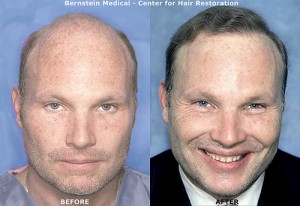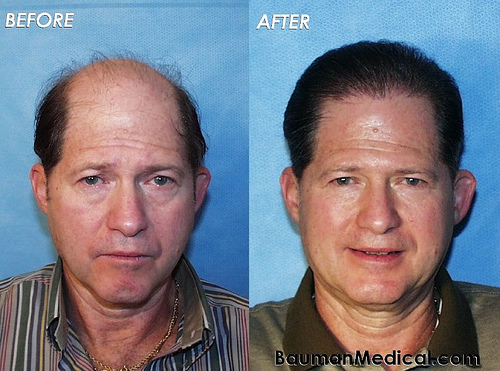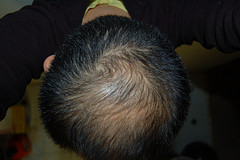
Post image for 8 helpful tips to consider regarding hair replacement

In recent years, there has been some outstanding advancement in the field of hair replacement procedures.  Today, there are different surgical procedures that can be performed on both men and women for the replacement of lost hair.  Here are some guidelines that you should follow when searching for a hair replacement surgeon and their staff members.

1) Determine the type of hair loss you are suffering from – by confirming the specific type of baldness that is occurring you will be able to decide on the correct hair replacement procedure to pursue.

2) Define your hair replacement goals – if you are satisfied with your current appearance but have worries about your future, consult with a replacement specialist or surgeon to see if this type of procedure is really necessary.

3) Once you have selected a hair replacement clinic, consider undergoing a follicular unit hair transplant procedure.  This is one of the most common and successful surgical procedures available.

4) Regardless of where the clinic is located, you need to consider going with a hair replacement surgeon that is committed to you as well as highly experienced, reliable, and trustworthy.

5) Talk with other individuals that have undergone this type of surgery and get their recommendations for which surgeon to select.

6) Consult with the hair replacement surgeon that you have decided on – you’ll want to discuss things such as the course of action and any potential side effects that you could experience so that you understand how the procedure works.

7) Determine if you are a good candidate for hair replacement surgery, if it is affordable, and that your expectations reasonable.

8) Always search for an option that fits within your budget – be wary of those that seem too cheap as these won’t be the best.  However, you don’t have to go with the most expensive procedure listed in order to achieve your goals.  Always study all the materials that they are willing to give you.  Fortunately, many hair replacement clinics do offer financing of the procedure.

The key is to do a lot of research and don’t just go with the first option you come across.  There are a lot of hair replacement clinics in the US today.  Just remember that not all of them are ethical and reputable.  This type of surgical procedure can be costly so you want to be sure that you get what you pay for.


Photo via photophonic
Post image for Preparing for Hair Replacement Surgery

Like plenty of other surgeries, there are certain preparations necessary before going in to receive hair replacement surgery. The more time and effort you put into preparing for this medical procedure, the less likely you are to make a decision you could later regret. Also, like any other surgery, you shouldn’t come to a decision about whether or not you should get hair replacement surgery from a random website.

That brings us to the first step in preparedness. Have several consultations with a hair replacement specialist. They should be frank with you about your individual options and rate of success. Otherwise, you could be in for some trouble. Although you might end up getting a second opinion (which certainly never hurts), remember that it is important to have a realistic attitude about your results and that the specialist ostensibly knows more about hair restoration than you do.

When it comes to the preparations for the operation itself, your physician should instruct you about things to do in the days before. You will undoubtedly be asked to forego alcohol and medication, in order to reduce the chances of complication. If you are on medication that you absolutely must take every day, mention that to the hair specialist immediately.

This especially goes for anything that is either a sedative or a stimulant. You will be anaesthetized before the surgery begins, so you don’t want to consume anything that will synergize with the anesthetic.  Failure to heed this advice could lead to very serious complications.

The doctor will usually prescribe you some antibiotics to take prior to the surgery. Follow the directions on the medication to the letter. Infections following hair replacement procedures are more common than they ought to be, and most of this is because of people neglecting to take the antibiotics as instructed.

Lastly, be sure you make vehicular arrangements to pick you up following the surgery. You’ll be in absolutely no state to operate a motor vehicle, and you probably won’t fare much better taking public transportation afterwards either. You’ll be quite groggy from the anesthetic, and probably not feeling your freshest. Some hair clinics will not even allow you to have the surgery unless you have a driver sign to be responsible for getting you home once you leave.

Lastly, make sure you have a nice spot to rest when you get home. You’re going to be in rough shape for a few days, so be sure you have a cozy bed and some good movies picked out to watch while you recover.

Photo via miracle moms

Post image for Dealing With Hair Replacement Adhesives

For folks using toupees or wigs, the adhesive that attaches the hair replacement to the scalp is incredibly important. Nothing is more embarrassing than losing your hair piece in a strong gust of wind or while taking a dip in the pool. Poor quality adhesives will lead to more frustration and misery than just going bald. Noticeable adhesive products will often point out to others that your hair piece is indeed quite artificial. Getting your real hair stuck in a ball of goop is also pretty unpleasant.

So, with that being said, how does one approach the issue of choosing the right adhesive?  Adhesives generally fall into the two categories of tapes and glues. Adhesive tape is meant for daily wear and often is much cheaper than glue. Tape is a good choice for smaller hair pieces worn on the front or side of the head. Some adhesive tapes may cause itchiness or an allergic reaction, so you might need to steer clear of tapes if they irritate your scalp. The tape usually manages to stay on the scalp for most of the day, so if you like to take your hairpiece off when you get home, tape is probably the way to go.

Hair replacement glues are a bit broader of a subject. Most glues provide long term bonds with the scalp, and are great for using with larger hair pieces and wigs. They range greatly in terms of cost and effectiveness. Silicone and acrylic glues are the most popular adhesives, but they can be quite costly. Acrylic glue also tends to be rather unforgiving once the wig or hair piece is put into place, but it lasts for quite some time. Silicone is gentle on the scalp and has amazing longevity.

Be sure, regardless of what method you choose, to maintain upkeep of your hair piece or wig. The chemical buildup can irritate the scalp or effect the adhesive potential if left unsupervised. Any time you need to reapply adhesive, whether it be tape or glue, be sure to remove the old adhesive first. You can find chemicals specifically for this purpose at many wig and beauty supply stores.

If you’re looking for various adhesives to try, you can either ask a hair replacement specialist or browse the selection of your local beauty supply store. Oftentimes, the staff at either of these venues is likely to help you find a product that is particularly suited to your needs.

Photo via jvworldwide
Post image for Are Multiple Hair Replacement Surgeries A Good Idea?

Many men who go in for one hair replacement surgery usually come back for another. There are many reasons, both physiologically and psychologically, as to why this is, which we’ll examine in a second. A major question about multiple hair replacement surgeries is if they’re worth it. This too yields a complicated answer.

Hair replacement surgery unfortunately has to work against our body’s genetics. Since genetics are a pretty tough opponent, hair transplants often fail, or last only temporarily. For this reason, many men return for another hair transplant. There is usually some psychological motivation at play as well. No one wants to feel the defeat of spending money on this expensive surgery, only to have it totally backfire.

Other times, hair replacement specialists can identify that multiple hair transplants will be needed before the first operation is underway. When this happens, the patient can decide in advance if he wants to commit to multiple procedures. Some men will decide it’s not worth the cost or effort, and will pursue other replacement options.

However, multiple hair replacement surgeries usually never get people past square one. The scalp becomes less likely to retain hair follicles following each successive replacement operation. Likewise, the number of donor areas shrinks with each successive operation, which makes the hair thinner overall.

This is exacerbated further by a phenomenon known as shock loss. The scalp will often shed other hair follicles in order to remove of the foreign hair. Other hair around the scalp will be prone to falling out at random. Although shock loss can sometimes be reverted, it too will usually lead to the problem of having thinning and patching hair.

As you might imagine, you don’t get your successive surgeries for free. Given that hair replacement surgery is not covered by most health insurance providers, this means quite a bit of money will fly out of your pocket. So, in the end, you’ll continue paying large sums of money for a surgery that becomes less effective the more times you opt for it.

So why do so many people do it still? Many men continue to get surgery after surgery either way because of esteem issues they’ve developed about their hair. These men would do better in the hands of a counselor than they would be on the operating table. Entering an endless loop of hair replacement surgeries is a mark of a deeper psychological issue that will never be appeased with continued surgeries.

Photo via MNicoleM
Post image for The Two Types of Hair Replacement Surgery

A brief word about hair loss and the causes of it

Many men and women that are experiencing hair loss are curious as to the options that they have where hair replacement procedures for replacing lost hair is concerned.  The most common question is, “is hair replacement surgery a viable option?” Hair loss can result for a number of reasons and may require replacement surgery including:

  • damage caused by excessive hairstyling or pulling it back too tightly
  • irritation of the scalp which can lead to scarring
  • hormonal changes to the growth and resting cycles

There are numerous hair “toppings” and natural supplements on the market today that show some evidence of effectiveness where replacement of the hair is attempted without professional care.  However, when you start losing your hair due to genetic reasons, these creams or natural supplements probably won’t be effective and hair replacement surgery might be the only option to pursue.

Types of Hair Replacement Surgery

There are two types of hair replacement surgery – scalp stretching or the transplanting of hair grafts.  So what is the difference between these two types of replacement surgeries? Scalp stretching surgery involves the surgical removal of the bald skin and the skin nearby that is still covered with hair is stretched over that part of the skull where the skin was removed.  With hair transplantation, small hair grafts taken from other scalp donor areas are taken and then transplanted to the balding area.

Additional considerations

The first thing that you want to take into consideration is that hair replacement surgery can get expensive.  The grafts are charged for individually and it can take up to 1,000 of these hair grafts to perform the replacement surgery successfully.  Typically, the fewer the number of grafts required, the less costly the surgery will be.  Fortunately, there are numerous hair care clinics that now offer financing for the surgery.

Additionally, sometimes there are side effects but these are pretty rare.  General anesthesia or a combination of a local anesthetic and sedation are usually required.  The two most common side effects are usually an adverse reaction to the anesthetic or the onset of an infection once the hair replacement surgery has been completed and you are recovering from it.  In any event, you want to make sure that you consult with a certified and licensed hair replacement surgeon when you are considering this surgery.

Post image for 10 Things to Consider regarding Hair Replacement

Hair replacement has become increasingly more popular over the past 2 or 3 decades in order to correct or treat hair loss.  Advancements in medical technology have been the driving force behind the growing popularity of these procedures.  These procedures also became popular because as they became more common, they also became more affordable.  Please read the following if you are considering having the replacement procedure performed.  Here are 10 things to consider regarding it:

Hair replacement surgery is not a new technology as the first procedure was performed over 3 decades ago.

Only your existing hair is used in replacement surgery so the donor areas, the back of the head and sides must contain hair that is in excellent condition.

Hair replacement surgery may not be possible if there is a small amount of existing hair remaining.

It is not exclusively a “guy” thing as it can be performed on women’s scalps, also.

Typically, the replacement surgery is completely safe and there are rarely any side effects, although infections sometimes arise as they do with other surgical procedures.

You typically feel any pain when the surgery is being performed because they will administer a local anesthetic prior to the procedure.

The process of hair replacement may take several sessions to complete with up to 2 month intervals in between these sessions being common and the overall process taking up to 2 years in some cases.

You will have to give up engaging in sports activities while the hair replacement process is going on.

When you are searching for a replacement surgeon, make sure that they have an extensive history of performing the procedure.

Each surgery is completely unique to the person that it is being performed on and you should try to get an idea of how your hair will look once the replacement process has been completed.

Despite what you might have heard from the opponents of this type of surgery, the hair replacement process is a totally legitimate solution for correcting and treating hair loss.  Granted, it does tend to be somewhat extreme in nature, so it is oftentimes recommended that you pursue a different hair replacement solution prior to considering this type of procedure.  A good replacement surgeon will not recommend hair replacement surgery if they feel that a non-surgical procedure would correct this issue.

Photo via Dr_Alan_Bauman

Post image for 5 Questions to ask a Hair Replacement Surgeon

If losing your hair has gotten to the point where hair replacement surgery has now become a viable solution to the problem, you want to make sure that you do your homework if you are considering selecting a replacement surgeon to perform the procedure.  Most importantly, you want to research the different hair replacement surgeries available and the surgeons who perform them as thoroughly as possible.  Here are some questions that you should each one.

What is their medical background and field of expertise?

You want to search as far back as the beginning of their hair replacement careers in medicine.  Check for certain things such as the amount of specific surgical training and experience that they have had.  Additionally, check how long they have been performing hair replacement surgery and the different methods that they are skilled at.

What types of certificates and degrees do they posses?

Ask them if there are specific surgeon’s boards and other medical organizations that they are members of.  You might want to see what other medical fields they are certified in since some replacement surgery fields require no certification to perform the particular procedure.

What is their hair replacement surgery history like?

Check out the number of hair replacement surgeries they have actually performed first-hand.  You also want to be aware of the number of successful surgeries they have performed compared to the number of failures they have experienced.  Also, inquire about the number of patient complaints or complications that have been documented about their hair once the replacement process has been completed.

How much is the replacement procedure going to cost?

Certain procedures such as micro-grafting the hair can be extremely expensive so if your gut tells you that the price on the surgery is too cheap, you should be skeptical about letting that surgeon perform the procedure.  This does not mean that the most expensive hair replacement surgery is going to be the best or post surgery care difficult.  You might be amazed at how affordable the better, more experienced surgeons can be.

Have any complaints been registered against the surgeon?

You would be wise to consult with the appropriate business and medical associations or organizations that monitor a doctor’s surgical performance record.  If you find that complaints have been lodged against any hair replacement surgeon, get to the bottom of the issue and find out what those complaints were about.  You also want to investigate what their personal conduct record has been like all the way back to the beginning of their careers if that is at all possible.

Photo via Joel Mark Witt

Hair loss is a very personal issue that many people suffer from. Some people shave their heads while others look for help to restore their hair. Even women have had to deal with hair loss. There are many products out there that can be used to restore or stop the hair loss. Finding this help can be costly if you are not sure where to look. Talking with your doctor may help you find a remedy to this problem. Here are several articles that will help you deal with the hair loss you may be facing. Read here before trying any remedies.

  1. Shave Some people choose to shave their head to cover the fact that they are losing their hair.
  2. Facts Here are some facts about hair loss and when it typically starts showing in males.
  3. Dealing with Hair Loss Here are a few tips on dealing with hair loss like restoration and camouflaging the problem areas.
  4. Woman’s Guide Find a woman’s guide to dealing with hair loss here. You can read about some of the remedies as well as some of the causes of hair loss in women.
  5. Coping Find how to cope with hair loss as a man. There are things you can do to help yourself deal with the loss of your hair.
  6. One Woman’s Journey Read this woman’s story of how she is dealing with her hair loss and what she is doing to restore it.
  7. Chemotherapy Learning how to handle hair loss when you are going through chemotherapy. You are not alone and here are a few people to help you along the way.
  8. The Bald Truth Here from one man and his struggle with hair loss.
  9. Woman’s Hair Loss Learn here how many women are dealing with hair loss for a number of different reasons.
  10. Lupus Read one woman’s story of dealing with hair loss due to having lupus.
  11. How to Deal Learn tips on dealing with your hair loss and how to treat what hair you do have to prevent further loss.
  12. Thyroid Medication If you have a thyroid condition the medications can cause some hair loss. Read here to see if there is anything you can do about it.
  13. Choosing the Right Wig Here are a few tips on choosing the right wig for your hair loss needs.
  14. Hair Loss Here you will find some tips on dealing with your hair loss and things you can do to help prevent or stop it.
  15. Preventing and Dealing Learn how you can help prevent and handle hair loss if it is already starting.
  16. Hair Loss After Pregnancy Read how sometimes women deal with hair loss after they give birth. Here are a few tips on dealing with that hair loss.
  17. Hair Loss in Women Read here about hair loss in women and some of the causes. Also learn about hair restoration procedures.
  18. Childrens Hair Loss Learn here how to help your children cope with their own hair loss.
  19. Effects of Hair Loss Read about the effects of hair loss on a person and how to treat it.
  20. Women’s Hair Loss Read about hair loss in women as well as a few products that may help in your case.
  21. Transplants Here you can discover what hair transplants are and find out if they are right for you.
  22. What You Need to Know Read here to see what you need to know when it comes to dealing with hair loss.
  23. Coping Learn how to cope with your hair loss. There are others out there just like you who have found options to help them. Maybe one of these can help you too.
  24. Transplantation Learn about hair transplants and see if they are right for you.
  25. Alternatives Read here about a few alternatives to dealing with your hair loss.
  26. Hair Loss Products Find out a few tips on getting the best hair loss products out there.
  27. Hair Loss and PCOS Learn about PCOS and how hair loss can be caused by this disorder.
  28. Hair Restoration for Females Read here about hair restoration for females. The biggest difference in hair loss between men and women is how the pattern of loss.
  29. Hormones Many believe it is an imbalance in hormones that can cause the female baldness that we see.
  30. Hair Loss Treatments There are many different treatments that you can use to help with your hair loss and restoration.
  31. Rx Options Here you will find a list of the best prescription options for women dealing with hair loss.
  32. Remedies Stop by this site to see some of the top hair loss remedies. Also get tips on preventing hair loss.
  33. Tips Read here tips on preventing hair loss. Also find tips on handling hair loss.
  34. Growing Your Hair Look here to find tips on growing your hair longer and helping with hair loss.
  35. Hair Growth Tips Learn a few hair growing tips here for those who suffer from hair loss.
  36. Stress Learn how stress can cause hair loss in some people.
  37. Prevention Read how to prevent hair loss in this article.
  38. Hair Growth Learn how to cause your hair to grow faster and see what causes hair loss.
  39. No Cost Tips Find a few no cost tips to preventing your hair loss and why you may be losing your hair.
  40. Daily List Here are daily tips to do that will help to prevent your hair loss.
  41. Top Tips Learn the top tips out there for preventing hair loss.
  42. Hair Tips Read here about a few hair loss tips that have worked for some.
  43. Tips for Men Here are seven tips for men who are suffering from hair loss to keep your hair growing.
  44. Fasting For Hair Loss Learn how things like diet and stress can have an effect on your hair loss and actually cause you to lose more hair.
  45. Review Look at the review on one of the new hair loss treatments for women.
  46. Hair Loss Prevention Here are some tips to look at when you are trying to prevent hair loss.

Image Credits: yapsnaps

Post image for Your Best Options For Hair Replacement.

Hair loss is common and usually requires no special treatment. However, more and more people who loose hair are turning to hair replacement solutions.

Some hair loss might be temporary, while others lose their hair completely or in patches. The causes may be hereditary or medical. You may loose hair if you eat certain medications, have a disease or suffer psychological stress.

The most immediate hair replacement solutions involve toupees and wigs. For those open to surgical solutions, hair transplantations can give very satisfactory results.

A hair replacement, such as a toupee or a wig is a perfect alternative for those who suffer from hair loss. Getting a hair replacement is a non surgical method with excellent results. It will replace the hair on the bald parts of the head with identical hair, which can be human or synthetic.
This method is ideal for people with extensive hair loss, as well as for people with patchy hair loss such as those with alopecia areata. Along with an experienced stylist you will choose a type of hair that integrates with your own hair. Close attention is paid to getting a perfect match and therefore a natural result. In most cases, it is more or less impossible to see a difference between your own hair and the hair replacement.

Along with your stylist you choose the hair used to create the hair replacement. You will determine the color, length and quality you desire. There are many options to choose from, and there are no restrictions on how the hair might look – curly, straight, thick, thin, light or dark. There are currently many different methods of attaching the hair replacement. And you can usually play sports, bathe and shower without having to worry about the hair falling off.

You can also try to replace the hair you lost with medical treatments. You can try applying a topical medication such as Minoxidil to the surface, or try an oral one such as Finasterid. Both medications are proven to be useful in stopping hair loss and stimulating hair growth.

If you are serious about replacing the hair you once had, a hair transplant is the most permanent solution, and usually involves the surgeon moving hair from the neck to the crown. The outcome depends on your age, hair color, type of hair loss and if you have straight or curly hair, but a hair transplant usually gives a natural result.

In addition to getting hair replacement, it is important to eat a varied, healthy diet and to avoid stress as much as possible. This might help in reducing hair loss.

No matter how much hair you loose, there are many effective hair replacing methods to try.

Photo via Sir Nadroj

Losing your hair can be a disheartening experience. It can lead to low self-esteem and, in some cases, even depression. There are options available to help you replace the hair that you lose. These options range from natural treatments to surgical procedures, but for millions of people, it is worth the effort just to have their hair back. Results tend to vary depending on each individual situation, but for most, even small improvements are better than none at all.

Sorting through the hype and the scams to get to the honest treatments that have a chance of working is not easy. The following list of blogs contains useful information about different methods of hair replacement options to help you make your decision.

  1. Hair Growth Blog – The latest information about treating hair loss with laser therapy.
  2. Scarless Hair Restoration Options – Informative post about options for restoring your hair surgically.
  3. Hair Loss Treatment Blog – Information about hair prosthesis for irreversible hair loss.
  4. Hair Loss Treatment Options – Discussion of surgical and laser treatments for hair loss.
  5. Female Hair Loss Options – Information about female hair loss, including causes and treatments.
  6. From Bald to Bold Blog – Useful blog with information and videos on treating hair loss and the various options.
  7. Tips to Ward off Hair Loss – Short post with tips on ways to treat and avoid hair loss.
  8. DermHair Clinic – Discussion of a breakthrough in hair replacement called the Umar procedure.
  9. Hair Plugs Guide – A detailed guide to everything you need to know about hair plugs.
  10. Hair Loss Treatment – Brief discussion on various treatments for hair loss.
  11. Common Treatments for Hair Loss in Women – Information about hair loss treatments available for women.
  12. Naturally Obsessed – Information and video on an alternative option for treating hair loss with a tattoo.
  13. Hair Loss Treatments – Information on various prescription and surgical hair loss treatments.
  14. Black Hair Loss/Thinning – Useful tips on hair loss treatments for black hair.
  15. Megan Fox Notes – Discussion of treating hair loss with hair plugs.
  16. Hair Plugs vs. Hair Follicle Micrografts – Comparison between the two hair replacement procedures.
  17. Hair Necessities – Information about permanent and semi-permanent attached hair pieces for hair loss.
  18. Hair Growth Guide – A guide to hair loss treatment products and procedures.
  19. Options for Hair Loss – Informative look at surgical and non-surgical hair loss treatments.
  20. Dr. Leonard’s Blog – A doctor provides information on hair loss treatment options.
  21. Seager Blog – Informative blog dealing with the latest hair transplant information.
  22. Non-Surgical Hair Replacement – Information and video about hair replacement without surgery.
  23. Hair Replacement – General information about hair loss in men and women and the possible treatments.
  24. Hair Loss in Men and Women – Information about hair loss and treatment options available.
  25. Hair Loss Treatment Options – An informative look at several advanced hair loss treatments.
  26. Dr. Jones’ Hair Transplant Center Blog – Informative blog written by a doctor detailing his hair transplant.
  27. Lack of Baldness – Discussion of the importance of nutrition to help hair grow back.
  28. Rapid Hair Loss Treatment – Discussion of whether or not a hair transplant can be used to treat rapid hair loss.
  29. Hair Loss Remedy – Information about herbal remedies for treating hair loss.
  30. Propecia – Information about the hair loss treatment, Propecia, and reasons why you should avoid taking too much.
  31. Female Hair Loss and Transplants – Information to provide a better understanding of hair loss in women and hair transplants for women.
  32. How to Convince Your Husband not to Shave His Head – Information about men’s hair loss and treatments available to avoid the frustration of hair loss.
  33. Hair Transplant: How Is It Done? – Detailed look at the procedure of a hair transplant.
  34. Hair Replacement Options for Men – A look at the various options available to treat hair loss in men.
  35. Hair Loss and Treatment – A doctor’s blog discussing hair loss and the various treatments.
  36. Solutions for Hair Loss – Variety of information on hair loss and treatments.
  37. Hair Regrowth Treatment – Discussion of cures for baldness and if they are scams or not.
  38. What to Do If You Lose Your Locks – Information about hair loss and things you can do to prevent and treat hair loss.
  39. Female Hair Loss Treatments – Informative look at hair loss in women and possible treatments.
  40. Male Baldness Treatments – Information about several treatments to combat baldness in men.
  41. Children’s Hair Loss – Discussion of stem cell treatment to treat hair loss in children.
  42. Hair Loss Products – Information on what really works and does not work in the market of hair loss products.
  43. Hair Loss Treatments – A guide to various hair loss treatments and prevention, including home remedies for hair loss.
  44. Stem Cell Baldness Cures – The latest information on the use of stem cells to combat baldness.
  45. Hair Loss Treatment – Information on hair loss and the medication and procedures to treat it.
  46. Medical and Natural Treatments – Information on all treatments for hair loss, both medical and natural.
  47. Herbal Tincture for Hair Loss – Useful information on an herbal remedy for hair loss.
  48. Hair Loss Treatments – Information on hair loss treatments for women.
  49. Mold Causes Hair Loss? Vinegar as a Cure? – Interesting look at mold as a possible cause of hair loss and using vinegar as a treatment.
  50. Women Hair Loss Treatment – Information on hair loss in women and potential treatments.
  51. Eleven Tips on How to Cure Hair Loss in Men – Eleven potential and natural cures for hair loss in men.
  52. Male Pattern Hair Loss – Useful information on the causes and treatments of hair loss in men.

Image Credits: how_long_it_takes

 
Copyright © 2012. All Rights Reserved. HairReplacement.org


Terms and Conditions | Privacy Policy