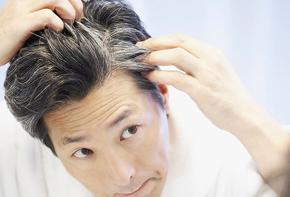
Post image for Non Surgical And Surgical Hair Replacement Characteristics

It’s safe to say that hair replacement, whether non-surgical or surgical in nature, are popular methods for enhancing one’s appearance and correcting hair loss or thinning scalp areas.  The advancements in replacement technology has enabled the advent of many innovations that can be either non-surgical or surgical in nature.  Additionally, there are certain characteristics of these hair replacement techniques that you need to be aware of whenever you are considering any of them.

Characteristics of non-surgical hair replacement

Non-surgical methods typically involve the use of what are called hair replacement systems which includes hairpieces such as toupees or wigs that are used to cover the balding areas of the scalp.  Additionally, hair extensions or weaves are also used as one of these systems.  The following are the more common characteristics of non-surgical replacement systems:

  • Artificial hair is typically used to produce these systems
  • Due to the artificial nature of the system, it will have to be replaced because of normal wear and tear
  • Effective for individuals who have some hair remaining and can also be used even as balding progresses
  • Hair replacement systems are cheaper and safer than surgical procedures
  • Systems can be applied in hair salons

In some cases, hair loss and thinning evolves beyond the point where surgical hair replacement will be effective.  However, you should be aware of the characteristics of the surgical procedures before selecting one.  They are:

  • Hair replacement specialists and surgeons are always involved
  • Permanent effects are provided
  • Procedures are normally performed in clinics in a sterile environment
  • Recovery stage is necessary after hair replacement surgery
  • Scalp scarring may result
  • Should be performed when there is still a sufficient supply of donor hair available
  • Surgery is more expensive than replacement systems

With many individuals, the primary deterrent is the cost factor and their budgets will not allow them to pay for hair replacement surgery.  When this is the case, they have no choice but to rely on hairpieces to offset the condition and conceal the fact that they are losing their hair.

No matter if you choose non-surgical or surgical procedures, you want to be assured that you are dealing with a licensed professional, especially where the surgical procedures are concerned.  Make sure that you are very thorough in your research and be sure to ask plenty of questions so that you are aware of all aspects of any hair replacement method or procedure.

Photo via oncearoundaltair
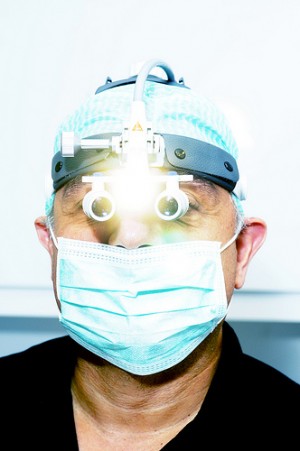
Post image for The History Of Hair Replacement Surgery

Hair replacement surgery is not new technology and procedures such as grafting as well as scalp flaps dates back to the early 19th century.  The more modern replacement procedures that help arrest and correct lost and thinning hair originated in Japan in the 1930’s.  At that time surgeons used smaller follicular unit grafts as a hair replacement technique for restoring eyebrows and eyelashes.  Additionally, they were not using these procedures to treat male pattern baldness at this time.

Unfortunately, the worldwide trauma resulting from World War II interrupted further research in the development of hair replacement techniques and the original efforts never achieved much acclaim.  It would be another two decades before research was resumed and it wasn’t until the late 1950’s when the hair transplantation was born thanks to Norman Orentreich, a New York City dermatologist.  At that time, he began experimenting with transplanting donor follicle grafts to balding areas of his patient’s scalps who had succumbed to male pattern baldness.

Prior to Orentreich’s experimental hair replacement surgeries, the consensus was that there could be no benefit resulting from transplanting existing hair follicles to balding scalp areas.  However, Orentreich clearly demonstrated that these donor grafts had to be “donor dominant” in order for the procedure to be successful.  He proved that donor dominant hair follicles not only grew but they lasted as long as they would have in the donor area.  His surgical practice still exists today and successful transplants are continually being performed.

Over the next couple of decades, there would be significant advancements in hair replacement technology such as the transplantation of smaller follicular grafts using 2 to 4 mm sized grafts.  Unfortunately, this led to results which made the person’s hairline and scalp resembling that of a doll’s.  The concept of using smaller hair grafts to avoid this didn’t arise until the 1980’s when Uebel in Brazil introduced using larger quantities of smaller grafts to prevent that doll’s head appearance from happening.

With the birth of Follicular Unit Transplantation in the mid 1990’s, hair replacement surgery became much more refined.  Today, the procedure is more commonly referred to as Follicular Unit Extraction (FUE) and is now widely used throughout the US.  It is oftentimes said that FUE is the “gold standard” of all hair transplantation procedures.  The reason for this is the fact that a square centimeter of scalp tissue can be implanted with over 50 of these follicular grafts.

Post image for Vitamin B7 And Hair Replacement Considerations

In a prior article, we mentioned the fact that vitamin B7 or biotin as it is better known is part of the B complex and is considered as a hair-friendly vitamin.  A deficiency of this vitamin will result in poor hair health and excessive thinning eventually necessitating a hair replacement procedure.  If your condition has not progressed to the point where some type of hair replacement procedure is necessary, beefing up your diet with foods that are rich in B7 may help you to avoid having replacement surgery.

How does biotin help thicken your hair and avoid hair replacement surgery?

Biotin helps the body produce keratin which is a protein that is typically found in the fingernails and hair.  However, it has been shown in certain studies that it also helps to thicken the hair.  There are certain conditioners and shampoos on the market today that contain biotin and can help you in this area.  It helps to improve hair follicle health by penetrating the strands and thickening them in the process.  Additionally, biotin penetrates the scalp and improves the health of that area of the body.

Vitamin B7 in common folk use

In the past, biotin was a common folk remedy for arresting hair loss and thinning so that hair replacement was not necessary.  It was used as a remedy for alopecia areata, brittle hair, dandruff, and male pattern baldness.  Although this was common folk practice in the past, there is no scientific evidence to support that biotin was effective in correcting the above conditions.

Other considerations regarding biotin and hair replacement – although it has been proven that taking biotin can help arrest the loss of one’s hair and even thicken it, biotin deficiency does not account for the majority of cases involving hair loss and thinning.  Taking vitamin B7 will definitely help if your diet is biotin-deficient and is easily purchased over the counter in 500 to 1,000 mg doses.  Ingesting 500 to 1,000 mg daily helps to enhance hair health and regulate your metabolism.

Risks involved

Taking vitamin B7, even if your diet is not biotin-deficient does not carry any significant health risks.  Most importantly, it will correct any deficiencies involving biotin and can prevent further loss or thinning of the hair.  It also enhances growth and thickening of the hair which means that having hair replacement surgery may not be necessary for quite a while.

Photo via  shannonkringen
Post image for Hair Replacement Surgery After The Age Of 50

The need for hair replacement surgery can be witnessed by all age groups ranging from young children to seniors.  Although there are a number of genetic issues involved in a number of hair loss cases, the older you get, the more likely you are to need some type of replacement procedure.  This is especially the case once a man or woman has reached 50 years of age as the older you get the greater the risk becomes.  In most cases, men and women 50 years old or older can benefit from a hair replacement procedure the first time it is performed.

So the question “when is the timing right for a hair replacement surgical procedure?” oftentimes arises.  With conditions such as male pattern baldness, the condition can start during the adolescent years or may not occur until the person is well into their 40’s or 50’s.  The best approach is to address this issue the moment it becomes evident.  The earlier you start treatment or have a surgical procedure performed, the better your chances are of curtailing the progress of the condition.

Unfortunately, many men accept the loss or thinning of their hair as something that would eventually happen and choose to avoid hair replacement surgery or other forms of treatment.  However, it is a different story with women since society typically judges or values them based on their appearance.  This is much more emotional and traumatic with women than it is with women hence a man’s reluctance to do anything about it.  For many men aged 50 or older however, a surgical procedure is a desirable option.

Are there any medical or physical limitations that may become a factor and result in a hair replacement procedure from being performed? In some cases, the answer is “yes”, especially with men aged 55 or older.  Sometimes there are chronic medical conditions that can pose serious risks if this type of procedure is performed.  Taking these into consideration is the responsibility of both the patient and the surgeon.

If this is the case, the surgeon should normally consult with your family physician in order to determine if the surgery could be risky.  Obviously, when you are initially consulting with the hair replacement surgeon, you will want to disclose any information that is pertinent to this issue.  It is always best to be honest and up front during that initial consultation in order to determine whether or not you should consider having the surgery performed.

Photo rustman
Post image for Hair Replacement To Correct Illness-Related Hair Loss

Several causes of lost or thinning hair can be illness-related and may require a hair replacement procedure to correct the condition.  There are a wide range of procedures and treatment methods currently available.  However, despite the fact that most of them are effective, one hair replacement procedure may be more applicable to correct the situation than others.  Your replacement professional will be able to determine which surgical procedure will benefit you the most when your condition is illness-related.

Be aware of the fact that hair loss and thinning can proceed rapidly or slowly and if it progresses too far before the condition is addressed hair replacement surgery will be ineffective.  The following will provide you with specific information regarding conditions that are illness-related and how they can be corrected:

Alopecia Areata – this is an autoimmune skin disease that is highly unpredictable in nature.  It causes hair loss all over an individual’s body, not just the scalp areas.  The condition causes the body’s autoimmune system to erroneously attack the hair follicles and retards the growth of them in the process.  In its initial stages, the person begins to notice small, round balding spots on the scalp.  However, it evolves into a complete loss of the hair and can spread to other areas of the body as well.

Cancer Treatment – due to harsh medications and treatments (e.g. chemotherapy or radiation), many individuals suffer with the loss of scalp and body hair which necessitates hair replacement surgery once the treatments are completed.  Despite the fact that chemotherapy and radiation are extremely aggressive treatments for killing cancer cells, they oftentimes result in hair loss and changes in growth patterns.

Many patients have claimed that darker or lighter hair growth resulted after the treatment was administered.  Remember that re-growth only occurs once the treatment has been completed and the follicles could take up to a year to fully recover.  Typically, the hair replacement specialist or surgeon will recommend that you wait to see how growth patterns are effected before any action is taken.

Other conditions and illnesses – there are several other illnesses that can trigger hair loss or thinning and changes in growth patterns.  These include the following:

  • anemia
  • diabetes
  • lupus
  • malaria
  • polycystic ovarian disease
  • scleroderma
  • secondary syphilis
  • thyroid disorders

If any of the above have caused hair loss or thinning, you should consider discussing your condition with a hair replacement surgeon to see if they can help.

Photo via Only Tradition
Post image for Common Hair Replacement Surgical Techniques

Since the first hair replacement surgery was ever performed in 1930’s Japan, research and science have developed a number of innovations and technological advancements to correct hair loss and thinning by using a variety of replacement techniques.  Surgical procedures have become very effective and sophisticated as a result, hence the growth in the popularity of hair replacement surgeries in recent decades.  Needless to say, the transplant procedure is still being practiced more than other procedures.

However, in recent years, two different types of hair replacement surgeries have come into play, and many men as well as women are taking advantage of these in order to correct their condition and arrest its progress.  The benefit is regaining and maintaining an appearance that you once had and were losing.  Unfortunately, society today judges men and women by their appearance and how they maintain it.  Hair replacement surgery helps to achieve this so that you do not suffer at the hands of society.

These different surgical procedures are effective at counteracting male pattern baldness in both men and women by using hair follicle grafts that are resistant to balding from a genetic standpoint.  In so doing, re-growth of hair in the balding scalp areas results.  Another key benefit of hair replacement surgery is that it can also be used to replace and restore beard, chest, and even pubic hair as well as eyebrows and eyelashes.

FUE harvesting

FUE stands for Follicular Unit Extraction and is a process wherein individual hair follicles are removed from what is called the “donor” area of the scalp using a tiny punch of hair that measures between 0.6 and 1.25 mm in diameter.  These follicular punches are then implanted into the balding or thinning areas of the scalp with the use of a micro blade to complete the hair replacement procedure.  Only single follicles are used and no significant amount of scalp tissue is removed in the process.  So the benefit is that there is little or no post-surgical pain or visible scars.

Strip harvesting

This is another one of the more popular hair replacement surgical procedures and involves removing a strip of scalp tissue which is then cut into smaller pieces and implanted into the balding areas of the person’s scalp.  This surgical procedure will result in linear scarring in the donor area.  However, this will typically be covered with longer strands of hair.  Additionally, it takes roughly two weeks to recover from this procedure and there will be stitches that need to be removed.

Photo via fosjoh
Post image for The Benefits and Risks of Hair Replacement Surgery

Any time you are considering hair replacement surgery in order to correct conditions such as Alopecia or pattern baldness, you want to consider the risks as well as the benefits of having the procedure performed.  The replacement of lost or thinning hair through surgical procedures such as scalp-reduction or transplantation has become extremely popular over the past couple of decades.  The time to ask questions as well as determining all the benefits and risks of hair replacement surgery is during your initial consultation with the surgeon who is performing the procedure.

The benefits of hair replacement surgery

For the most part, the benefits of any surgical hair replacement procedure far outweigh the risks encountered.  There are two primary benefits that most surgeons will tell you during the initial consultation with them:

Improvement of one’s appearance – this is the most evident benefit of the two in that it provides the patient with a natural and youthful appearance.  These factors can positively impact business and other social interactions.  Typically, hair loss, premature or normal tends to make the person appear to be older than what they actually are.

Improvement of one’s self esteem – this is especially true where women and hair replacement surgery are concerned as they are more prone to societal pressure regarding their appearance and just looking good no matter where they are.  Self esteem improves for men and women alike whenever one of these procedures are performed and are successful after the process has been completed.  Gaining a more youthful look is one of the ideal methods for feeling better about oneself and appearance.

Risks and side effects of hair replacement surgery

No matter what type of surgery is being performed, there are always some inherent risks involved.  Hair replacement surgery is no exception to that rule.  This is especially true during the post-surgical healing stage.

Post-surgical pain – although this is relatively common, it is brief in duration and hair replacement surgeons typically prescribe painkillers to offset this.

Infection – patients occasionally experience infections with some surgical procedures but again, your surgeon will most likely prescribe an antibiotic to prevent this and keep a more severe condition from occurring.

Scabbing – this is a very common occurrence but is brief in duration as scabs are usually non-evident after 10-14 days.

Low survival rate of transplanted hair – some transplanted follicles will not survive and fall out after hair replacement surgery, but it is usually minimal in nature.

Photo via robertbernsteinmd

Post image for How to Plan For A Surgical Hair Replacement Procedure

If you’ve noticed that your hairline has been receding more and more, you may be considering having a hair replacement procedure done in order to correct your condition.  The replacement of one’s hair by virtue of one of a few different surgical procedures is quite common in society today and a popular option to consider.  Hair replacement surgery not only improves your appearance, it can help you to have better self esteem.  Here are some suggestions to consider if you are going to have this procedure done.

Talk with a hair replacement surgeon and find out what caused your condition – although you will want to make a list of the surgeons to consider for the surgery, once you have decided on one, you’ll want to find out why you are losing your hair.

Inquire about the different surgeries that are available – your surgeon will be able to determine which hair replacement surgery will work the best for you.  Be aware of the advantages and risks of each procedure before going with their recommendations.  You will also want them to tell you what pre-operative and post-operative measures will have to be taken.

If hair loss is common in your family, let the surgeon know this – you will also want to tell them if you have any drug sensitivities or are allergic to certain medications.  Talk to the surgeon about your lifestyle and tell them what your expectations are where the outcome of your hair replacement surgery is concerned.  Be honest and let them know if you are currently suffering from a medical condition or disease.

Inquire about the costs of the surgery – make sure you find out about all fees involved including anesthesia and any prescribed medications that may be needed after the surgery has been performed.

Make sure you arrange to have some time off from your job – you may need to take 1 to 2 weeks off from work once you have hair replacement surgery.  Your surgeon will be able to tell you how much time at work you will have to miss.

Talk with your insurance company – although this surgery may not be covered by your insurance policy, you may be able to find out about financing possibilities from your agent or company representative.  You may want to inquire about financing with the hair replacement surgeon as many of them are offering this today.

Photo via Advanced_Hair_Studio

Post image for Does Biotin Help You Avoid Having Hair Replacement Surgery?

Biotin is also known as vitamin B7 and is a part of the B complex.  It is also considered a hair friendly vitamin that could help you avoid having hair replacement surgery done or at least postpone it for a while.  B7 plays a significant role in the production of keratin which is a program that is typically found in the fingernails and hair.  However, if you have been suffering the condition for a while, hair replacement surgery may be your only option at this point.

Hair loss and B7 deficiency – usually a serious biotin deficiency will result in hair loss.  Your physician may recommend that you start taking 2 to 10 mg of B7 daily in order to stop the progression of your hair loss and correct the shortage of it in your system.  This could also help you avoid having a replacement procedure done for a while.

Best sources of biotin – although biotin is naturally produced by certain intestinal bacteria, the following are some excellent sources of vitamin B7:

  • brewer’s yeast
  • cauliflower
  • egg yolks
  • liver

Topical hair replacement products – biotin is usually a key ingredient in certain topical treatments used to arrest the progression of hair loss.  Additionally, certain conditioners and shampoos contain biotin.  Although there is no clear proof that these products will stop hair loss, they do have the tendency to make thinning hair look much fuller than what it does.

Considerations about biotin – a diet that is deficient in biotin and other necessary nutrients will result in poor hair health.  If the condition has persisted long enough, you may have no choice but to have hair replacement surgery done.  However, if you begin eating a diet that is rich in minerals and vitamins (e.g. iron, silica, and zinc) along with B7, this may help to arrest the progression of hair loss.

Depending on the health of your hair, your physician may recommend that you consider the above before opting for hair replacement surgery.  However, if your condition has progressed to the point where your hairline has receded or become non-existent, they will probably refer you to a surgeon that is skilled in the surgical procedure.  You should still consider all of the above as minerals and vitamins are key elements for better overall health.  Additionally, if you haven’t spoken with your physician lately and are concerned about thinning hair a visit to there office wouldn’t hurt.

Photo via tiram13

Post image for Hair Replacement for Men under the Age Of 21

Although the issue with losing one’s hair does not usually occur until you get older it can still happen in a man’s earlier years in life and hair replacement is considered as an option to offset this.  Believe it or not, some younger males such as those that are under the age of 21 will oftentimes pursue a surgical or non-surgical replacement method in order to correct the condition.  Replacement surgery such as transplantation can be just as effective for correcting this and oftentimes results in successful hair replacement in the process.

Because of the fact that the loss of one’s hair or the thinning of it is not expected to happen at an early age it can be traumatic for the younger male once he discovers that this is going on.  Typically, the first evidence of this occurs in the frontal hair line or what is referred to as the temporal area of the scalp.  Since most hair replacement procedures are quite effective, the restoration of the hair line is part of the replacement process.  It corrects the appearance of what is oftentimes called a “high forehead.” [click to continue…]

 
Copyright © 2012. All Rights Reserved. HairReplacement.org


Terms and Conditions | Privacy Policy