The following is a list of the more common FAQ’s that oftentimes come up when a person is discussing a hair replacement procedure to correct hair loss or thinning. There are a number of replacement methods and techniques to be aware of anytime you are considering a surgical procedure such as transplantation. So you want to know as much as you can about hair replacement procedures before selecting one.
What causes a person to lose their hair? Genetics and heredity is far and away the most common reason that this occurs. Whether male or female, the affected individual can inherit the hair loss gene from either one of their parents if they have exhibited a history of it in prior generations.
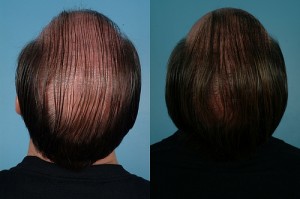
Does hair replacement surgery really correct the problem? In the majority of the cases that have been documented, “yes” is the answer. Follicles are extracted from what is called the donor area and transplanted to the scalp area where the loss or thinning is occurring.
Is hair replacement surgery undetectable? As long as you rely on a licensed and skilled medical professional, the results of the surgery will most likely go unnoticed after the healing and recovery process is complete. This is one of the primary reasons why you want to consult with a physician or surgeon that is licensed and skilled at performing this procedure.
What can I expect after the hair replacement surgery is completed? Your surgeon is going to prescribe a post-operative care regimen and will probably prescribe a couple of medications for pain and to prevent infection. They will also instruct you in the proper care of your new hair after the replacement procedure has been done as far as scalp hygiene is concerned.
Is hair replacement surgery painful? Most individuals are surprised at the lack of post-operative pain that results, but this is not to say that you won’t experience any discomfort once the anesthetic has worn off. You have to expect that there is going to be a certain level of discomfort because it is a surgical procedure. However, your physician or surgeon will most likely prescribe a painkiller should you need one.
How soon can I return to my job? This depends on the extent of the hair replacement procedure and the specific type of work that you perform. In many instances, some individuals return to the job within 24 to 48 hours, but you should discuss this with the physician or surgeon that performs the surgery.
Photo via Crazyidol