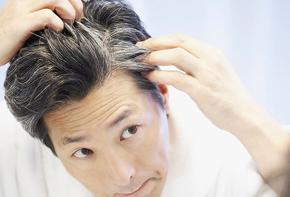
 Choosing the right hair replacement procedure or product can be challenging as there a number of different ones currently available on the market and in the medical arena. Anytime you are considering a replacement technique that counteracts lost or thinning hair, whether it is non-surgical or surgical in nature, you want to consider a few factors before deciding on a procedure or product to use. Numerous hair replacement products are now available including herbal remedies, prescription medications, systems that use natural or synthetic hair, and topical ointments.
The most viable hair replacement option is still transplant surgery, especially if there has been trauma to the scalp. It can be done in order to fill the scalp that has suffered balding from the use of chemotherapy or if the scalp has been burned. Certain hair systems are also beneficial for individuals from female or male pattern baldness. The bottom line is that either synthetic or transplanted hair can positively impact a person’s appearance and enable them to return to a normal life with better self esteem.
Other individuals may benefit from the use of topical ointments such as Rogaine, although the re-growth and scalp recovery processes may take a considerably longer period of time compared to a surgical hair replacement procedure. These are normally applied to the balding portion of the scalp or even the entire area. Minoxidil is the normal ingredient used in topical ointments although there are others. However, the former is the only one that has been clinically proven to re-grow hair.
You also have a variety of herbal oral supplements that are available. Despite the fact that these do not cause hair to re-grow, they have been known to inhibit the loss or thinning of a person’s hair. If you are suffering from a condition such as androgenic alopecia, these may slow down the balding process. However, they will not totally arrest it. One of these herbals is saw palmetto but this should not be taken by women who are pregnant.
What you want to remember first and foremost is that losing one’s hair can be a very emotional process. Societal demands place a great deal of weight on an individual’s appearance, especially where women are concerned. In any event, you should always discuss your hair replacement intentions with your physician or an experienced surgeon that is knowledgeable of the different options currently available on the market.
Image credit